
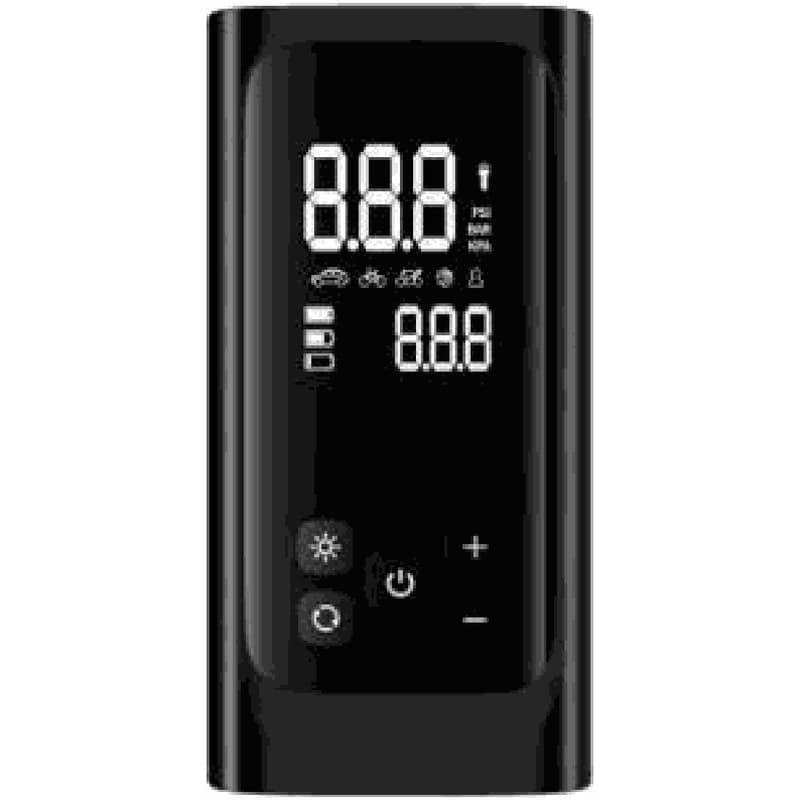
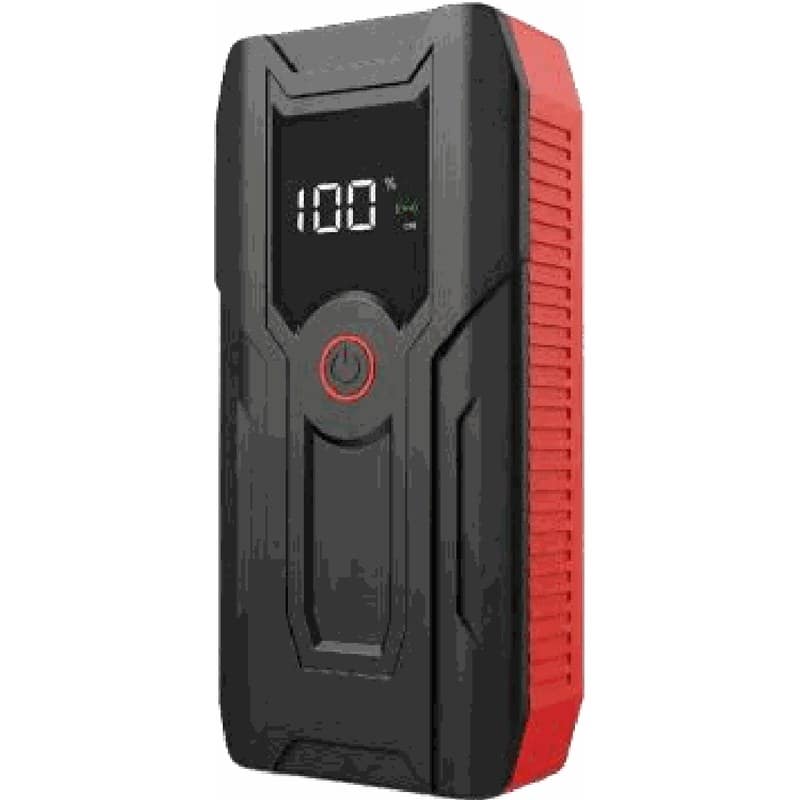
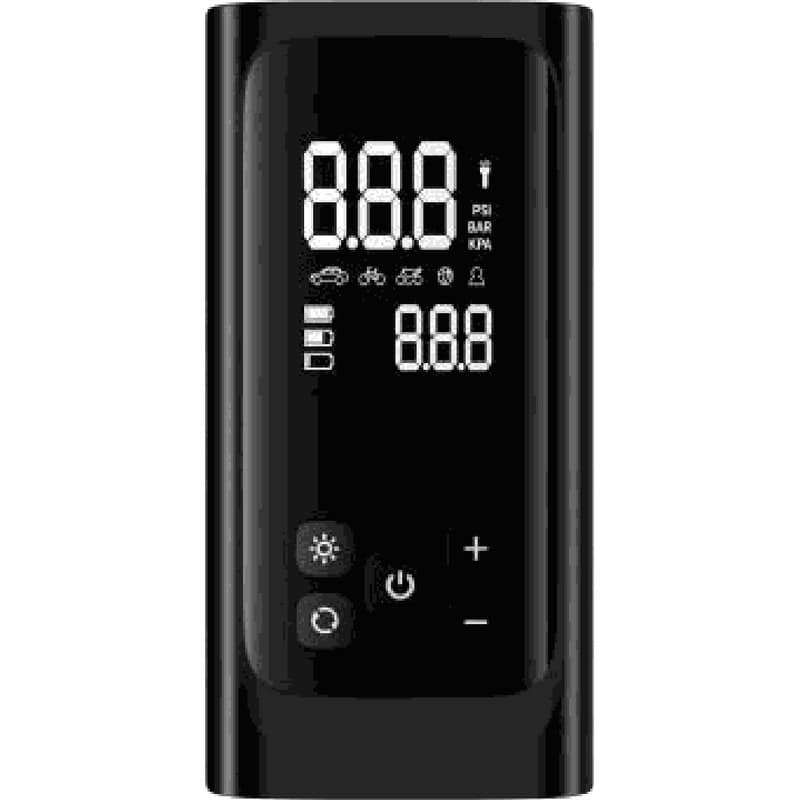
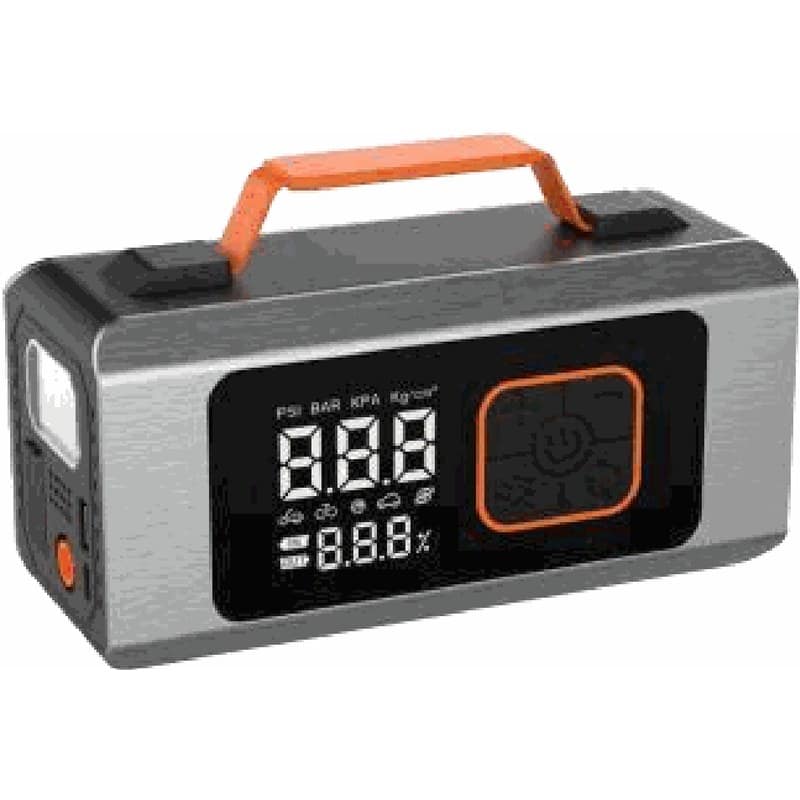

Buying a cordless tyre inflator looks simple: fast inflation, small body, low price. But before you place an order, four parameters decide your return rate and after-sales cost.
1. Cylinder bore sets inflation speed
19mm and 21mm are the common bores. A 19mm unit takes roughly 60-90 seconds to move a 205/55 R16 tyre from 2.0 to 2.5 Bar. A 21mm bore is about 20-30% faster, but heavier and louder. For passenger-car owners, 19mm is enough. For commercial or heavy-load use, 21mm is the better fit.
2. Pressure range is where specs get inflated
150 PSI (10.3 Bar) is the usual headline figure. In practice, most units slow down noticeably above 100 PSI and the motor heats up quickly. If your buyers include truck or off-road users, ask the factory for a measured pressure-time curve, not just the rated number.
3. Battery capacity determines real runtime
Most units ship with 2x2000mAh or 2x2500mAh lithium packs. One standard car tyre consumes roughly 8-12% of charge, so a 4000mAh pack covers six to eight tyres in an emergency. Anything below that will show noticeable fade on the second use.
4. Certification is a hidden cost
EU export needs CE (EMC and LVD), and lithium packs also need a UN38.3 transport report. US export usually needs FCC. These are not one-off costs: every change of cell supplier or circuit board can trigger a retest.
On MOQ
Regular models typically start at 100-500 units, depending on housing colour and packaging customisation. Silk-screen logos, voltage changes or plug changes usually push MOQ to 500-1,000 units, because the factory has to run a dedicated batch and stock separate materials. Those numbers come from tooling, SMT and packaging minimums, not from negotiation.
What to ask before discussing price
Request three things: measured cylinder bore data, the cell brand and batch of the battery pack, and existing CE/FCC certificate numbers. That filters out most traders who only quote catalog figures.
Ningmei supplies 12 cordless inflator models (C11 through C26), customised for destination voltage, plug standard and packaging, with CE, FCC and UN38.3 documentation support.